Adaptive Dance Program!
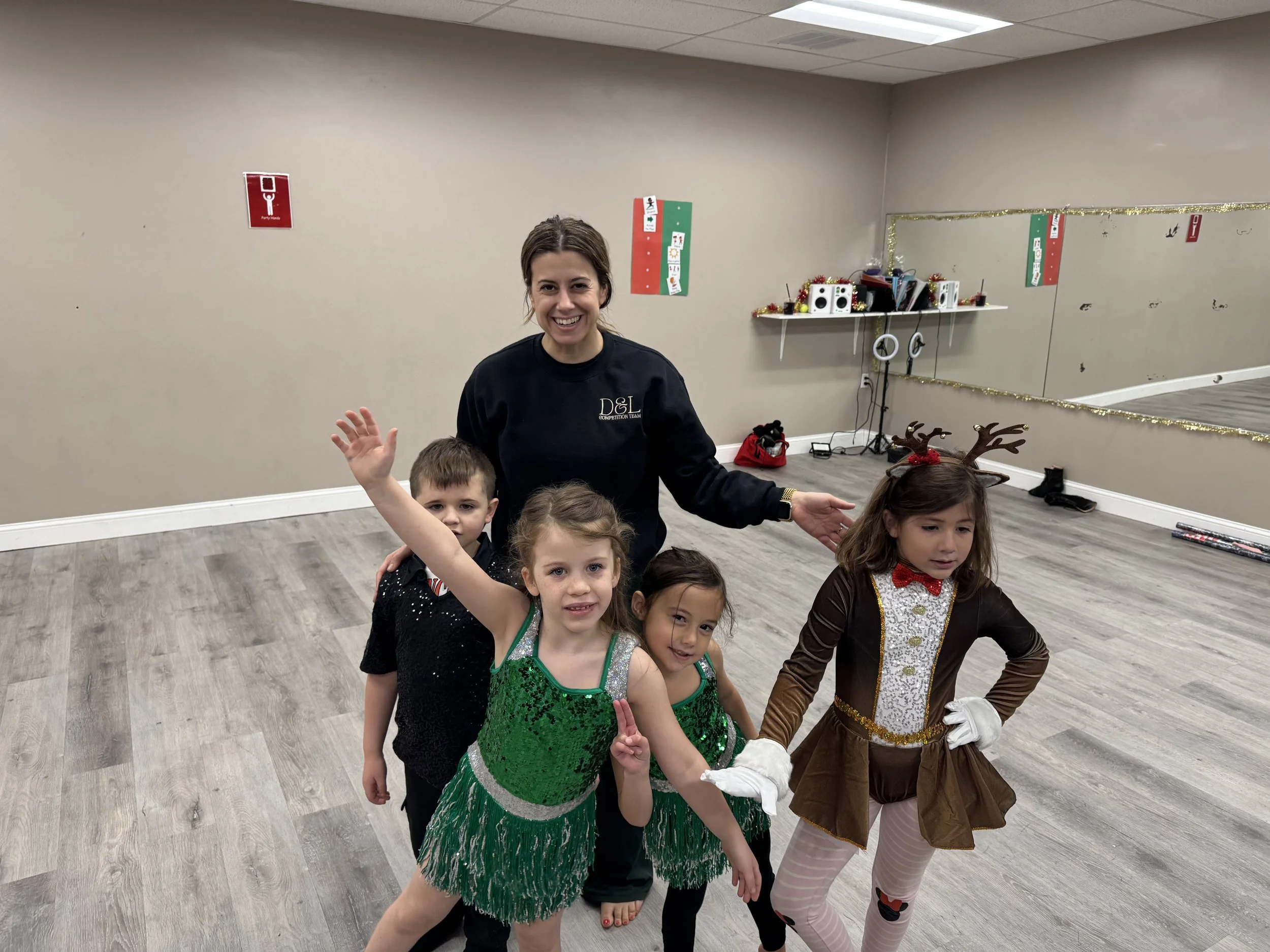
"I have to share our experience at D&L Dance Studio in Johnston! They offer adaptive hip hop class on Saturday mornings, and today was our very first lesson. This program is truly something special, built with so much thought and care from the ground up. Miss Laurie, the amazing instructor, uses visual schedules that break each part of class into segments. As activities happen, they're moved from the green column to the red-- helping the kids stay engaged, focused, and excited. Some of the segments even include circle time activities, which made it all the more fun. We had such a great time and my little guy is already counting down the days until next week. If you're looking for an incredible experience for your child, I can't recommend this class enough!"
—Melissa M.
Post via Facebook, 2025
D&L Dance Studio offers an adaptive dance program designed to welcome neurodivergent children and young people into a supportive, structured environment that celebrates movement and self-expression. Our goal is to create a safe, predictable space where each student can build skills, confidence, and joy through dance.
Instruction and Experience
Miss Laurie leads the program. She brings extensive, hands‑on experience working with neurodivergent kids and tailors instruction to meet individual needs. Her approach combines patience, clear communication, and practical strategies that help students engage comfortably and consistently.
A Safe and Accepting Environment
Sensory awareness: The studio takes into account sensory needs—lighting, sound levels, and room layout are considered to minimize overwhelm.
Individualized support: Teachers work with families to understand each child’s triggers, strengths, and preferred communication styles. Modifications and accommodations are provided as needed.
Respectful atmosphere: Every student is treated with dignity and encouragement. Teachers model inclusive language and behavior and foster peer respect.
Class Structure and Supports
Predictable routines: Each class follows a consistent format so students know what to expect. Typical segments include welcome/check‑in, warm‑up, skill practice, choreography or creative movement, and cool‑down.
Visual cues and schedules: Clear visual schedules (picture cards, icons, or written steps) outline the class flow. These cues help reduce anxiety and increase independence.
Step‑by‑step instruction: Complex moves are broken into smaller, manageable parts. Teachers use modeling, hand‑over‑hand guidance when appropriate, and repetition to reinforce learning.
Multimodal communication: Verbal prompts are paired with demonstrations, gestures, and visual supports to accommodate different learning styles.
Routines and repetition: Repeated practice of routines and short, consistent sequences builds muscle memory and confidence.
Flexible pacing: Instructors adjust the tempo and length of activities to match each student’s energy and attention levels.
Small class sizes and staffing: Classes are kept small to allow individualized attention. Additional assistants are available when needed to provide one‑to‑one support.
Safe transitions: Teachers use countdowns, visual timers, and clear verbal cues to help students move smoothly between activities.
Outcomes and Community
Skill development: Students work on coordination, balance, spatial awareness, and rhythm, adapted to their abilities.
Social connection: Group classes encourage interaction, and cooperative activities in a low‑pressure setting.
Confidence and expression: Dance becomes a tool for self-expression, emotional regulation, and building self‑esteem.
Family partnership: Parents are required to stay on studio premises during the class time, and are highly encouraged to do the class with their dancer.
See how Miss Laurie uses our visual schedule to create calm, predictable transitions—guided gently with the help of one of our wonderful dancers. This sensory-friendly approach offers clear cues and consistency, helping every dancer feel secure and supported.
The fan-favorite ‘Lights Game’ is always the highlight! Dancers choose the music while practicing movement, following directions, and—most importantly—having a blast!
"Our dancers are getting ready for our Holiday Show! Those who choose to participate learn a short, fun routine they can perform on stage. Parents or buddies are always welcome to join them for extra support. To ensure a sensory-friendly experience, we keep the lights a bit brighter and the music at a lower volume. Plus, our entire dance staff is stationed around the stage to offer guidance and encouragement every step of the way!